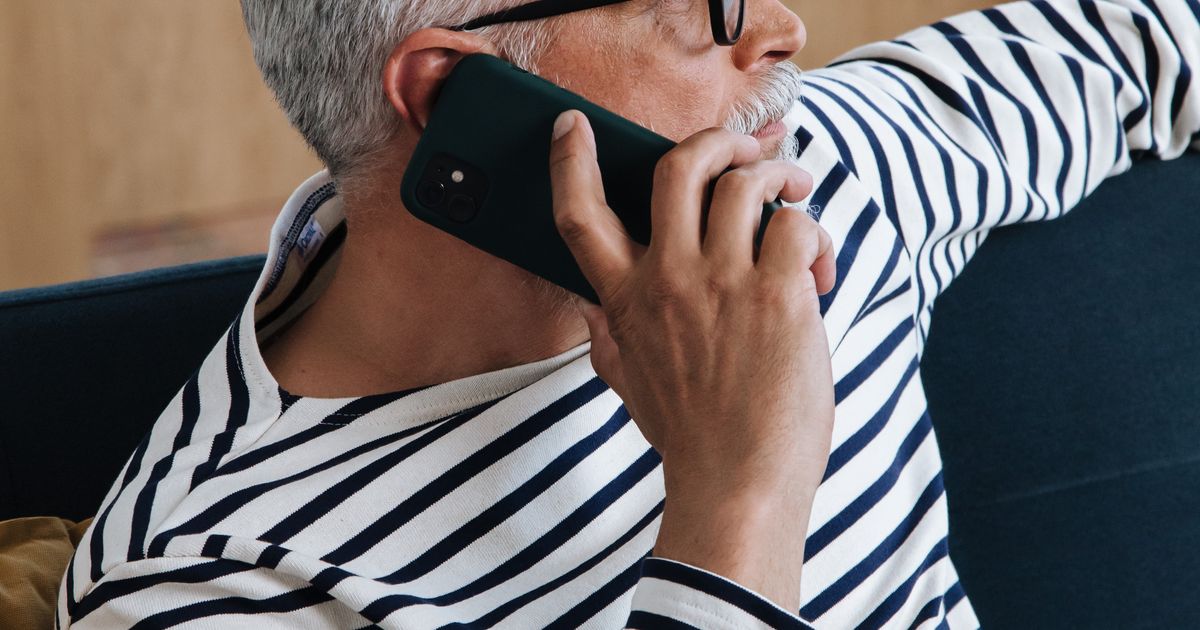

My cousin Linda's phone rang at 6:40 on a Tuesday morning. The voice on the other end was crying. "Grandma, it's Josh. I'm in trouble. Please don't tell Mom."
It sounded exactly like her grandson. Same nervous laugh, same way he says "Grandma" with two syllables stretched out. He'd been in a car accident, he said. A lawyer would call her in a minute to explain the bail. Linda was already looking for her car keys when the second call came, asking for $8,000 in cash that "a courier" would pick up at her door.
Well, folks, Josh was sitting in a college lecture hall three states away the whole time. Linda only found out because she stopped at the bank and the teller asked her one question: "Have you called Josh yourself?"
How can a scam call sound exactly like my grandchild?
This is the part that's new. Scammers can now copy a person's voice with artificial intelligence, using just a short clip from a video posted online or a voicemail greeting. The FTC warned about these voice cloning scams back in 2023, and its advice is short: don't trust the voice.
That's hard to hear, because our ears are how we've always known our own family. But you no longer have to be the judge of whether a voice is real or fake. You only have to check the story another way.
What should I do when I get a call like this?
In plain words, here are the three steps. First, hang up, even if the caller begs you not to. Second, call your family member back on the number you already have saved in your phone, never a number the caller gives you. Third, if they don't pick up, call someone who would know where they are, like a parent, a sibling, or a close friend.
A missed call doesn't prove the story is true. College kids ignore their phones. Grown children are in meetings. Keep trying other people before you ever touch your wallet.
What are the warning signs of a voice cloning scam?
Put simply, watch for four things. The caller asks you to keep it secret. They say you have to act right now. They want money through gift cards, a wire transfer, cryptocurrency, or cash handed to a courier. Or a second person gets on the line claiming to be a lawyer, a police officer, or a bail agent. The FTC points out that those payment methods are popular with scammers because the money is so hard to get back.
How can our family get ready before a call ever comes?
Here's the thing: the best time to make a plan is at Sunday dinner, not at 6:40 in the morning with your heart pounding. Tell your kids and grandkids, out loud, that you will always hang up and call them back. Then it isn't rude when you do it. It's the family rule.
Some families also pick a private code word that nobody would find online. That's a nice extra layer, and we explain how to set one up in our guide on how to spot a phone scam before you say a word. Just don't let the code word replace the callback. Always call back.
What if I already sent money?
Move fast and don't be embarrassed. Call your bank or the gift card company right away using the number on your card or their official website, and tell them it was a scam. Then report it at ReportFraud.ftc.gov. If you also clicked a link or shared a password, our guide on what to do after clicking a suspicious link walks you through the next steps.
What Linda tells everyone now
Linda didn't lose a dime, and she's become the family's loudest scam alarm. At every birthday party she makes the same announcement: "If I ever call you back right after you call me, don't take it personally. I'm just checking."
Smart woman. Scammers can copy a voice, folks, but they can't answer the phone when you call your grandson's real number.
Has your family talked about a callback rule yet? Tell us in the comments how you handle calls like this.