
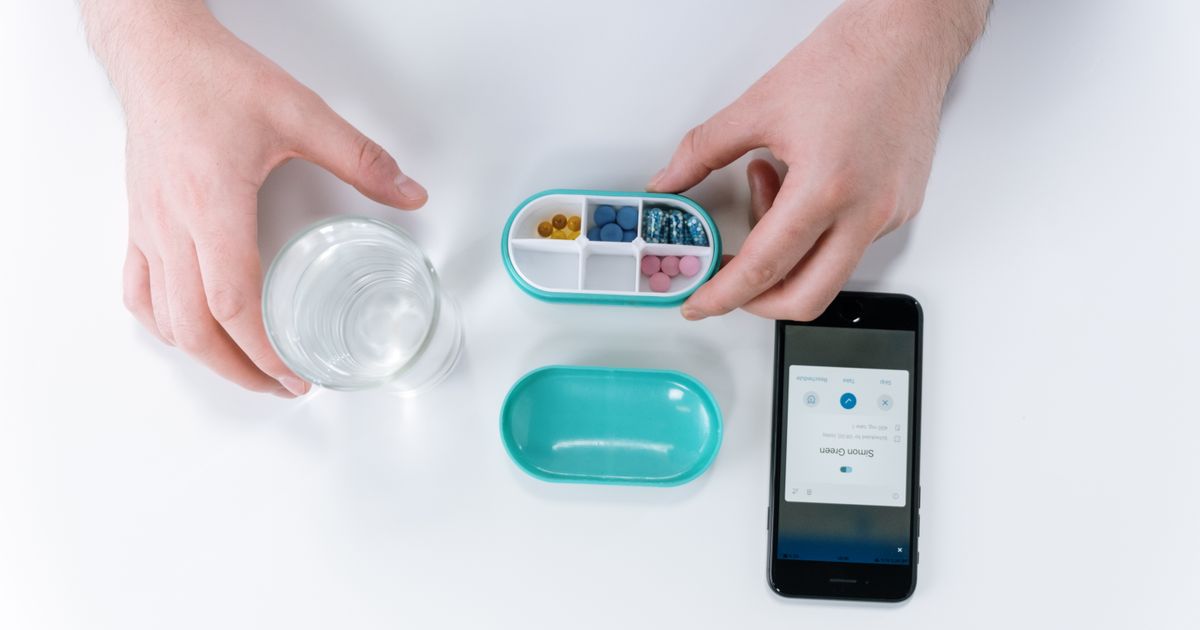
My sister Joanne takes seven medicines. Seven. For her blood pressure, her cholesterol, her thyroid, a couple of vitamins, and a heartburn pill she buys at Walgreens. Last year she downloaded a medication reminder app, and she was so proud. It chimed at 8 a.m. and 8 p.m. every single day.
Then she landed in the emergency room with dizziness and a pounding headache. It turned out her doctor had changed one of her blood pressure doses back in the spring. The pharmacy label had the new dose. Her reminder app still had the old one. And nobody had asked about that heartburn pill, which can interact with one of her prescriptions.
She's fine now, thank heavens. But her story taught me something I want every one of you to hear. A reminder app is only as good as the list behind it.
Why does a medication list matter more than a reminder app?
Because an app just follows instructions. If the instructions are old, it will faithfully remind you to do the wrong thing. The list is where accuracy starts.
The FDA's medication safety tips for older adults recommend keeping a list of everything you take, including prescriptions, over-the-counter medicines, vitamins, and supplements, and sharing it with your doctors and pharmacist.
What should go on my medication list?
In plain words, write one line for each thing you take, with five parts: the name, the dose or strength, when you take it, what it's for, and which doctor ordered it. And don't forget the things people often leave off, like pills you buy at the store, vitamins, supplements, eye drops, creams or patches, and inhalers.
Keep the list on paper in your wallet and on your phone. Put the date at the top every time you update it.
How do I make sure my list is correct?
Ask your pharmacist. This is one of the best free services in America, and hardly anyone uses it. Put every bottle and box you take into a grocery bag and bring it to the pharmacy counter. Ask them to go through your list with you and check for anything that doesn't match or doesn't mix well.
If you have a Medicare drug plan, ask whether you qualify for a free medication review through your plan's medication therapy management program. Many plans offer one to members who take several medicines.
And please, never stop a medicine, change a dose, or double up after a missed dose because of an app or an article. Call your pharmacist or doctor and ask about that specific medicine.
It also helps to fill all your prescriptions at one pharmacy when you can. That way, one pharmacist sees your whole list and has a better chance of catching a problem.
Which reminder should I use?
In plain words, you have four good choices: a paper chart on the fridge that you check off, a phone alarm labeled with the medicine's name, a pill organizer with a box for each day of the week, or a medication reminder app. Any of them works, as long as it matches your newest list. Whenever a dose changes, update the reminder the same day.
It's also smart to add your key medicines to your phone's emergency info. I explained how in my guide to setting up Medical ID on your iPhone. And if a medicine is costly, Bob's guide to using GoodRx can help.
What Joanne does now
Joanne keeps a typed list in a plastic sleeve on her fridge, with the date at the top. Every time her doctor changes anything, she updates the list first, then her app, that same afternoon. Twice a year, she brings her grocery bag of bottles to her pharmacist. Last time, the pharmacist caught a vitamin that didn't mix well with her thyroid pill.
Take good care of yourself, and take even better care of each other.
How do you keep track of your medicines? Tell me in the comments. Your system might help someone else.