Here is what the brain research keeps finding, study after study: the sharpest minds in later life usually do not belong to crossword champions. They belong to people who keep learning slightly hard new things. And who do it with other people. The magic formula is challenge plus company plus enjoyment. The good news? That describes some wonderfully pleasant hobbies.
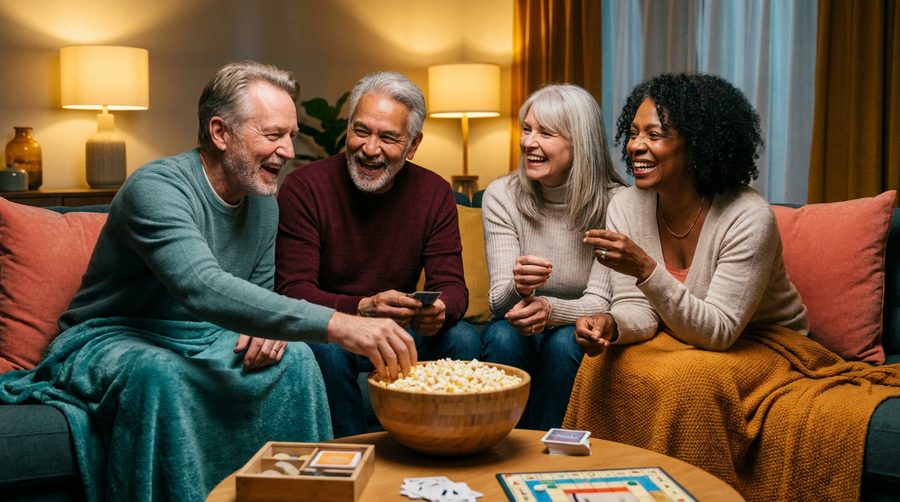
The learning kind. Pick up an instrument. A $40 used keyboard or ukulele is plenty, or learn a language with the free Duolingo app, ten minutes a day. Try photography with the phone already in your pocket. What matters is that gentle "this is hard but I'm getting better" feeling; that feeling is your brain building new connections, at any age. The social kind. A weekly card game, a book club, a volunteer shift, a faith or community group, regular conversation is one of the most protective habits known to brain science, full stop.
The moving kind. Gardening, dancing, a walking group, gentle yoga. Exercise grows the brain's memory machinery directly. And dancing does double duty, because learning steps is a workout and a puzzle at once. Notice that everything on this list is more fun than "brain training" apps, which research finds mostly make you better at.. The app.
So here is your homework, and it is the pleasant kind: pick one. Just one. That made you think "I always wanted to try that," and do it this week at the beginner-est possible level. Three chords. Ten Spanish words. One tomato plant. Sharp is not something you protect by standing still; it is something you build by playing.